Can you sell a car you still owe money on?
Yes. Millions of people do it every year. You don't need to pay the loan off first, and you don't need the title in hand. When you sell, the buyer pays your lender directly, the lender releases its lien, and you get whatever is left over. If the car is worth less than you owe, you cover the difference, and the sale still goes through.
The part that trips people up isn't whether they can sell. It's the math and the paperwork in between. This guide covers both.
How do you know if you have equity in your car?
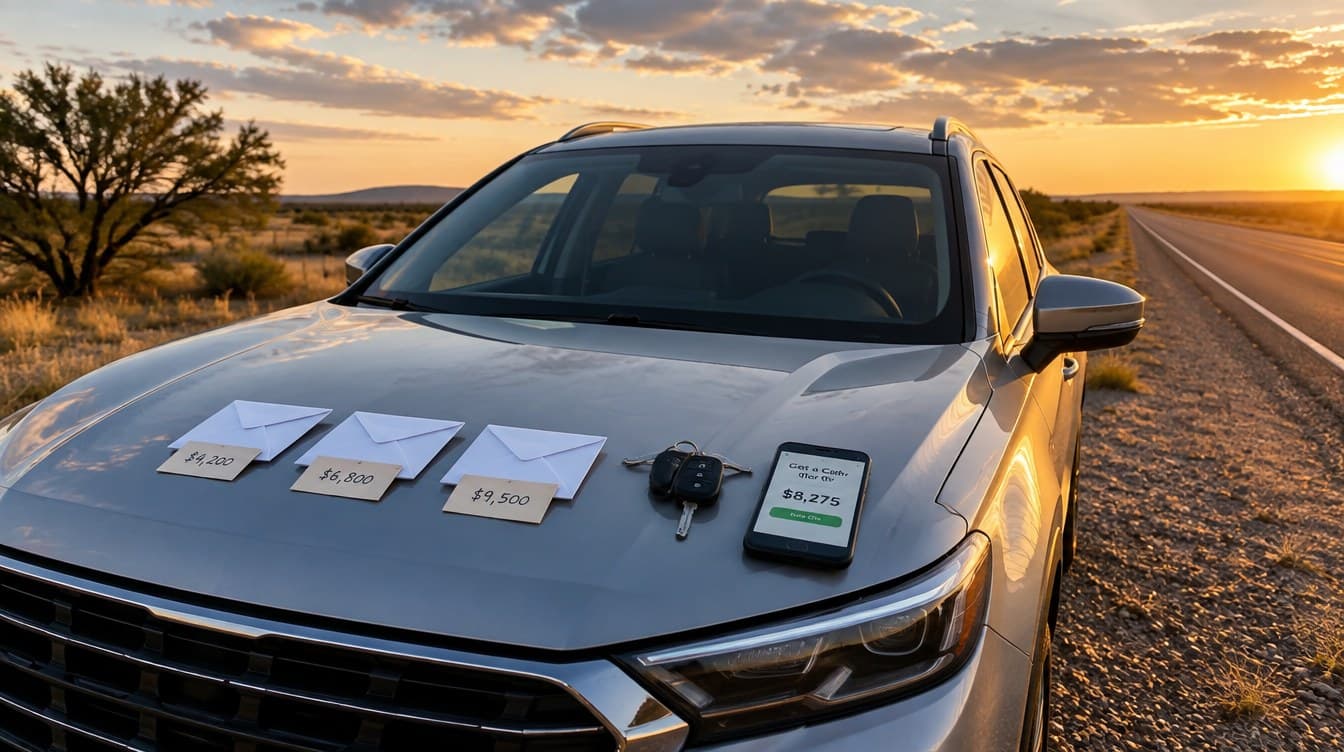
Compare two numbers: what a buyer will pay for your car today, and your loan payoff amount.
- Offer higher than payoff: you have positive equity. That difference comes to you.
- Offer lower than payoff: you have negative equity (you're "underwater"). You owe the difference.
Use the payoff amount, not the balance on your monthly statement. They're different. Your payoff includes interest that has built up since your last payment and any fees, and it changes daily. The Consumer Financial Protection Bureau explains why the payoff figure is usually higher than the "current balance" you see in your account. Most lenders show a payoff quote in their app or online portal, and it's usually good for a short window, often around 10 days.
How common is negative equity?
More common than most people think. According to Edmunds data from the second quarter of 2026, 29.6% of trade-ins toward new vehicles were underwater, and the average amount owed above the car's value was $6,884. Long loan terms, high prices from a few years ago, and normal depreciation all play a part.
If you're in that group, you still have options. You just need to know your number before you agree to anything.
How does the payoff actually work when you sell?
When you sell to a dealer or a car-buying company, the process usually looks like this:
- You get an offer. Enter your VIN or plate and describe the car's condition.
- The buyer verifies your payoff. A legitimate buyer contacts your lender directly to confirm the exact payoff amount. You give them the lender's name and your account details.
- You sign the sale paperwork. This includes authorizing the buyer to pay your lender.
- The buyer pays off your loan. The payment goes straight to the lender, not to you.
- You get paid your equity. If the offer was higher than the payoff, the buyer pays you the difference.
- The lender releases the lien and sends the title. The title goes to the buyer, not back to you.
That last step happens on the lender's timeline, not yours. In Texas, for example, a lienholder must release the lien within 10 days of receiving payment. Other states have their own rules. The good news: once you've sold, chasing that title is the buyer's job.
Why shouldn't you send a payoff letter to a buyer?
A good buyer pulls and verifies the payoff themselves, straight from the lender. It's faster, and it protects everyone.
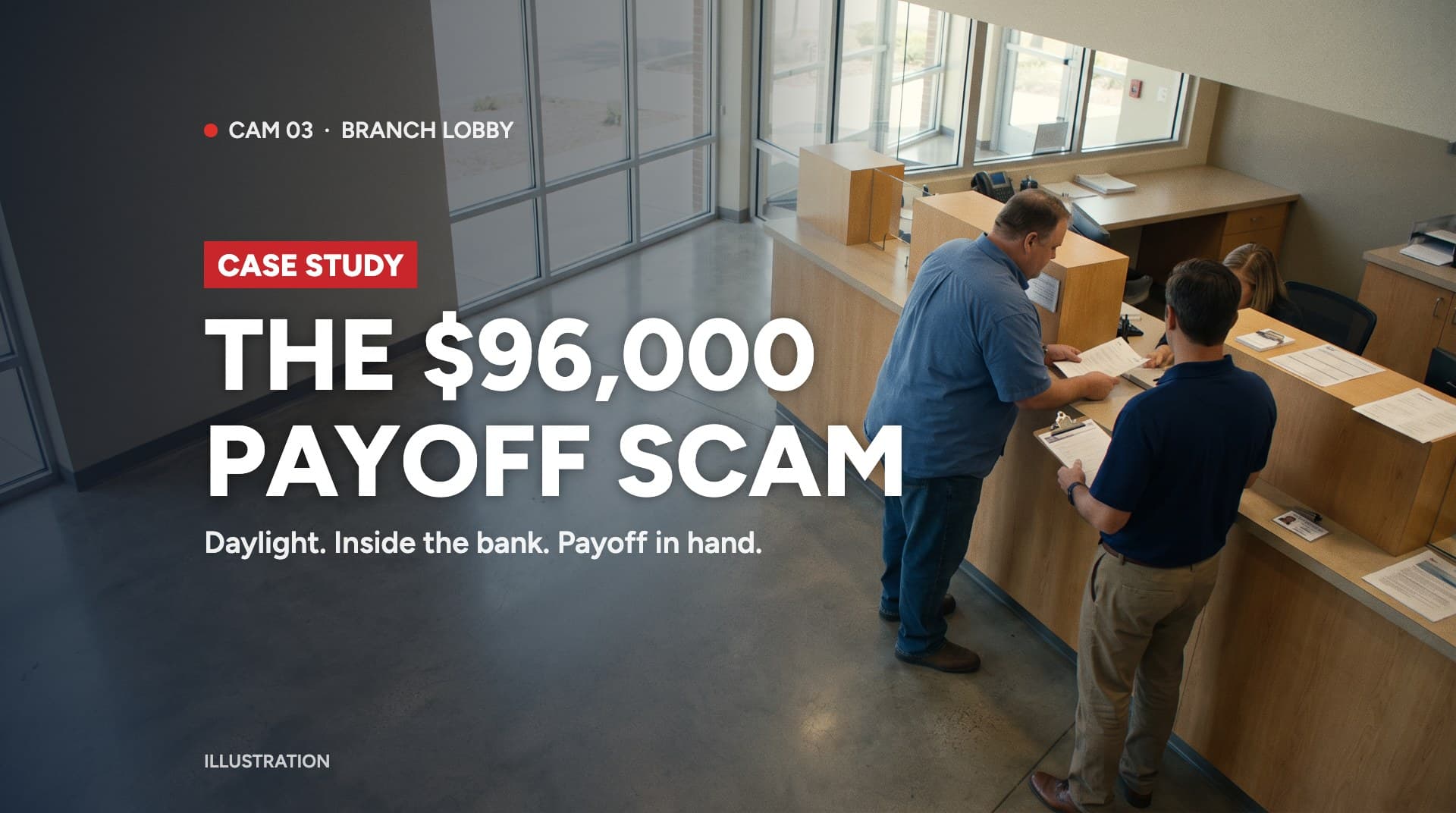
Payoff paperwork is one of the easiest documents to fake. Fraudsters use doctored payoff letters and temporary "paydowns" to make a loan look smaller than it is, and the gap shows up after the money has moved. We wrote about one of those cases in detail: The $96,000 Payoff Scam. Maverick Motors never asks sellers for a payoff letter. We get the figure from your lender ourselves.
What happens if you owe more than the car is worth?
You have a few choices:
- Pay the difference and sell. You cover the gap, the buyer pays off the rest, and you're out of the loan. This is often the cleanest option because it stops the interest and ends your insurance and registration costs on a car you don't want.
- Roll it into your next car. If you're buying another vehicle from the same dealer, the negative equity can sometimes be added to the new loan. It's convenient, but you'll pay interest on it and start the new loan further underwater. Use this carefully.
- Wait and pay it down. If you don't need to sell right now, a few more payments can close the gap. Just know the car keeps losing value while you wait.
- Sell privately. A private buyer may pay more, but selling a financed car privately is harder. Most buyers won't hand over cash without a clear title, so you'll usually need to meet at your lender or bank to complete the payoff together.
Whatever you choose, get your payoff and a firm offer on the same day so you're comparing real numbers.
What documents do you need to sell a financed car?
Less than you'd think. Usually:
- Your lender's name and loan account number
- Your current registration
- A government-issued ID for everyone listed on the title (many buyers verify this online now)
- Your bank account details if you're getting paid out by wire
You don't need the title, because your lender has it (or holds it electronically). If your car is paid off, you'll need the title itself instead of loan details.
Can you sell a leased car?
Sometimes. A lease is different from a loan because the leasing company owns the car. Some leasing companies allow a third party to buy the car out. Others only allow the buyout by you or by one of their own dealers. Before you shop your lease around, call the leasing company and ask whether it allows third-party buyouts. A legitimate buyer will confirm this with the leasing company too.
How do you sell a financed car with Maverick Motors?
Our process is built for cars with loans on them:
- Get a cash offer online in about 30 seconds by entering your VIN or plate. It's a single firm number, not a range, and it holds for 7 days.
- Accept and upload your info. Add your photos and registration, then verify your identity online. Since your lender holds the title, you just tell us who your loan is with.
- We verify your payoff with your lender directly. You never have to request or send us a payoff letter.
- Sign digitally. No trip to a showroom.
- Get paid and we pick up the car. Your equity is paid by wire or certified check, and pickup is free. Most sellers are paid the same day.
- We handle the lender and the title. We send the payoff, and we follow up with your lender until the title arrives. You don't have to chase it.
If you're underwater, a Maverick Motors team member will walk you through the difference before pickup. You can cover it by wire, by cashier's check at pickup, or by rolling it into a vehicle you buy from us.
A few cars we don't buy: vehicles valued at $10,000 or less, salvage or rebuilt titles, and cars that don't run or have major issues.
What should you do after selling a financed car?
- Confirm the loan shows paid in full. Check your lender account a week or two after the sale.
- Stop any automatic payments once the payoff posts, so you don't make an extra payment.
- Cancel or move your insurance after the car is picked up.
- File your state's transfer or release-of-liability notice if it has one, so tolls and tickets stop following you.
- Ask about refunds. If you bought GAP coverage or an extended service contract, you may be owed a prorated refund now that the loan is paid off.
The bottom line
Owing money on your car doesn't lock you into keeping it. Know your payoff, get a firm offer, and pick a buyer who deals with your lender directly. If you want a real number to start with, get your Maverick Motors offer in about 30 seconds.
Frequently Asked Questions
- Can I sell my car if I still have a loan on it?
- Yes. The buyer pays your lender directly, the lender releases the lien, and you're paid any equity left over. If you owe more than the car is worth, you pay the difference and the sale still goes through.
- Do I need the title to sell a car with a loan?
- No. Your lender holds the title (or keeps it electronically) until the loan is paid off. After the payoff, the lender sends the title to the buyer.
- What happens if I owe more than my car is worth?
- That's negative equity. You can pay the difference when you sell, roll it into your next car loan if you're buying from the same dealer, or keep paying the loan down until you have equity.
- Is my payoff amount the same as my loan balance?
- Usually not. The payoff includes interest that has built up since your last payment and any fees, so it's typically a little higher than the balance on your statement and changes daily.
- How long does it take the lender to release the title?
- It depends on your state and lender. Texas, for example, requires the lienholder to release the lien within 10 days of receiving payment. When you sell to Maverick Motors, we follow up with your lender until the title arrives.