What's the fastest way to sell a car in DFW?
Selling outright to a dealer — franchise or independent — is the fastest. You can be done in an afternoon, and you hand off the title paperwork with the car.
An online instant offer feels just as fast because the number appears in minutes, but how fast the money comes depends on the buyer. Some make you book a store visit before they pay. Others let you finish the sale online and pay you when you sign.
A private sale is the slowest by a wide margin. Figure two to six weeks for a normal car, longer for anything unusual, high-mileage, or priced above the market.
How much less does a dealer pay than a private buyer?
A private buyer will almost always pay more on paper. That's not a trick — it's arithmetic. A dealer has to recondition the car, sit on it while it takes up floor plan interest, and still make a margin. A private buyer has none of those costs.
What the gap doesn't include is your side of the ledger in a private sale: photographing and listing the car, fielding messages from people who will not show up, meeting strangers, handling test drives, verifying that a cashier's check is real, and filing your own paperwork. If the private-sale premium on your car is a few hundred dollars, you are working for a low hourly rate. If it's a few thousand — which happens on desirable, low-mileage, or enthusiast vehicles — it's worth the hassle.
That's the actual decision. Not "dealers rip you off," but "what is the gap on my specific car, and is it worth my weekends?"
Option 1: Trade it in at a franchise dealership
Best when: you're buying your next car from that dealership anyway, and especially when it's a newer car with a real tax bill attached.
Trading in is the most convenient option that exists. You drive in with one car, drive out with another, and the dealership handles the title, the lien payoff, and the plates.
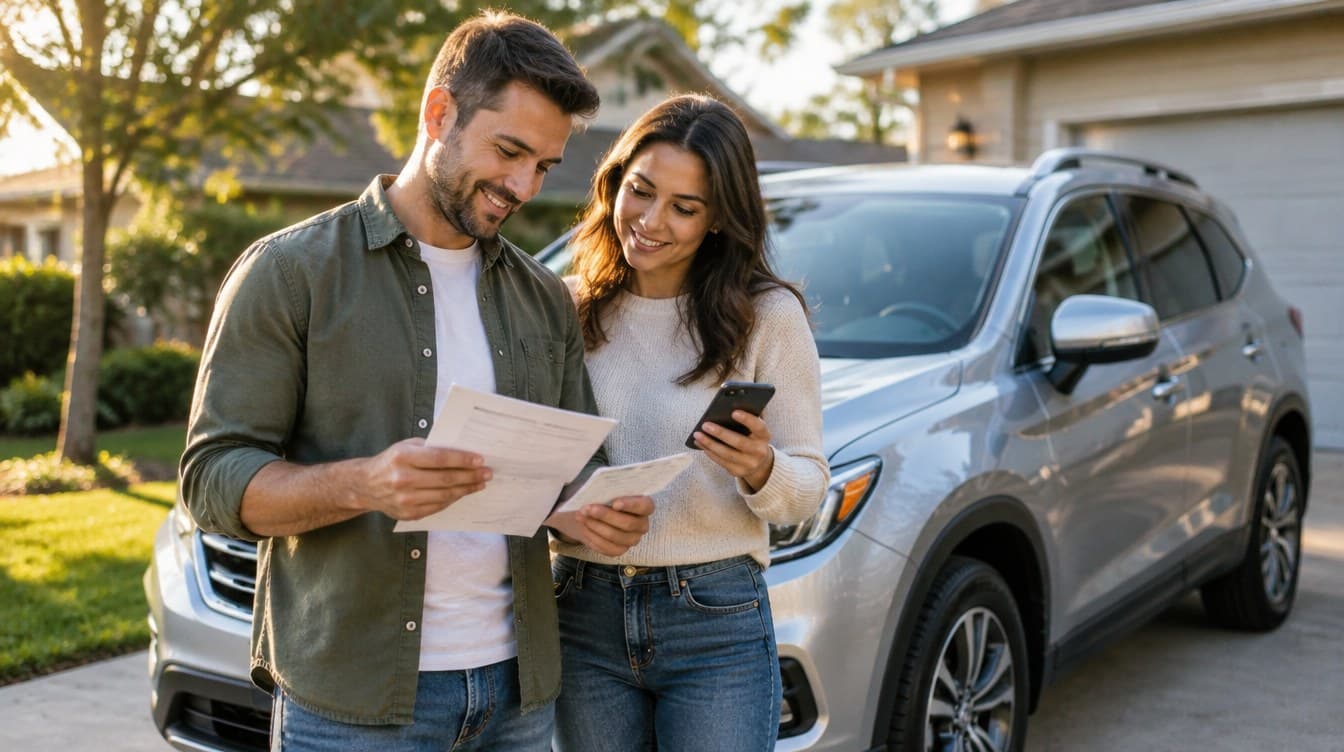
The reason it's more attractive in Texas than people assume is the trade-in tax credit. Texas charges 6.25% motor vehicle sales tax, and when you trade a vehicle in as part of buying another one from the same dealer, the trade-in allowance comes off the taxable amount — you're taxed on the difference, not the full price of the new car. On a $40,000 purchase with a $15,000 trade, that credit is worth a bit under a thousand dollars. A standalone cash offer has to beat the trade-in number plus that credit to actually be better for you.
The catch: the credit only exists if you're buying at the same time, from the same dealer. If you're just selling a car — you're moving, you're going down to one vehicle, the lease-return kid went off to college — it does nothing for you. Also, trade-in numbers are easy to blur into the new-car negotiation. Ask for the trade figure in writing before you discuss price on the car you're buying.
Option 2: Online instant offers (Carvana, CarMax, and the rest)
Best when: your car is common, clean, honestly described, and you want a floor price to negotiate against.
These are genuinely useful, and every seller in DFW should get one. They take minutes and they cost nothing.
Understand what the number is, though. It is a conditional offer generated from the VIN and your self-reported condition, and it is valid only until someone verifies the car. CarMax states plainly that its offers are good for seven days and that "some offers are adjusted after the verification process" if the vehicle's condition, use, or history differs from what was entered online. Every major instant-offer service reserves the same right, at the store visit or at pickup.
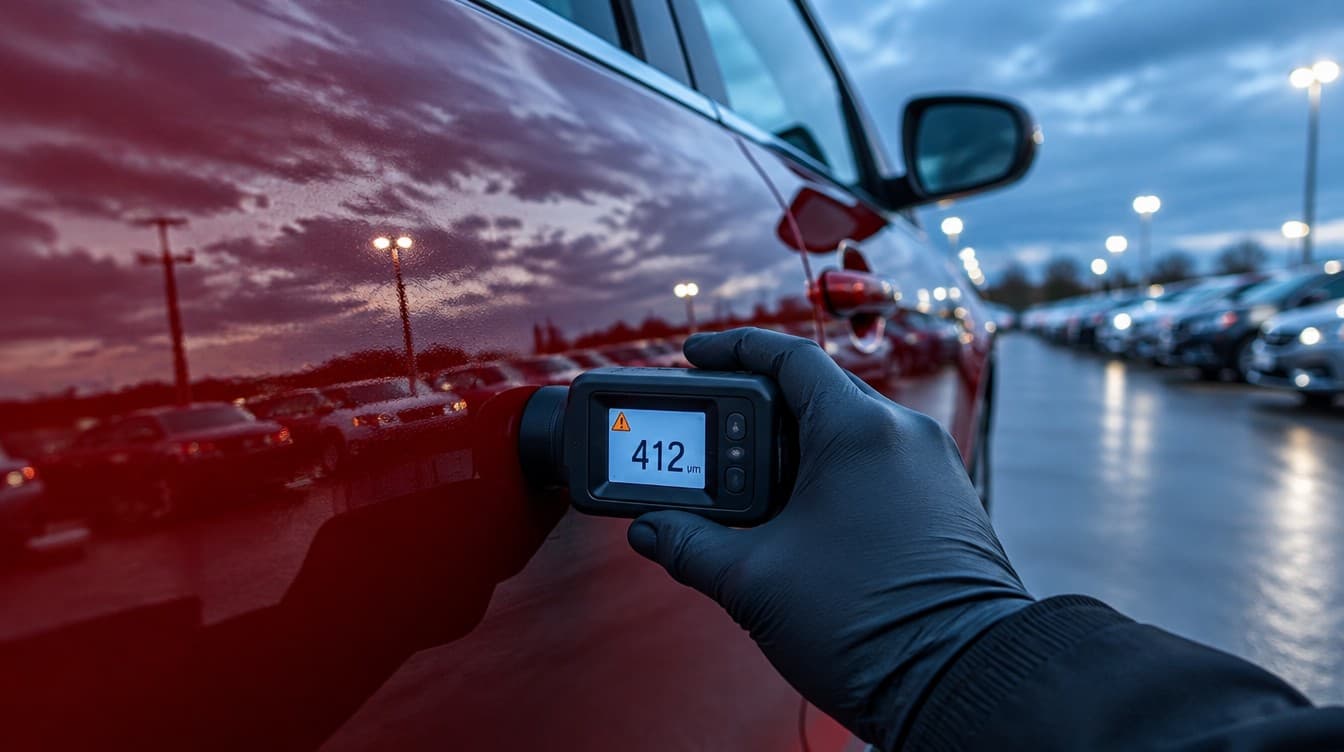
So the number you see is a ceiling, not a floor. If your car has curb rash, a windshield chip, a check-engine light you've been ignoring, aftermarket wheels, or a branded title, expect it to move down at the appointment — at which point you're standing in a parking lot with less leverage than you had at your kitchen table.
Use them correctly: get two or three online offers, print them, and treat them as your baseline. Then find out whether anyone will beat them.
Option 3: Sell it privately
Best when: the car is desirable, you're patient, and you have the temperament for it.
This is where the money is, when the money is there at all. It's also where all the work is, and in Texas the paperwork is genuinely on you.
As the seller you need to hand over a properly signed title with the sale date and odometer reading, plus a signed Application for Texas Title and/or Registration (Form 130-U) showing the sales price. Then — and people skip this constantly — you file a Vehicle Transfer Notification with TxDMV within 30 days of the sale. That filing is what protects you from being on the hook for the buyer's tolls, parking tickets, and worse while the car is still showing in your name. Since 2023 the form requires the buyer's full name, address, and phone number along with yours; without them, TxDMV rejects it.
You also remove your plates. You can transfer them to another vehicle of the same class, keep them, or deface them with permanent black ink. They do not go with the car.
One DFW-specific note: Texas dropped annual safety inspections for non-commercial vehicles in January 2025, but emissions testing is still required in Dallas, Tarrant, Collin, Denton, Ellis, Johnson, Kaufman, Parker, and Rockwall counties. Your buyer will need it to register, so it will come up.
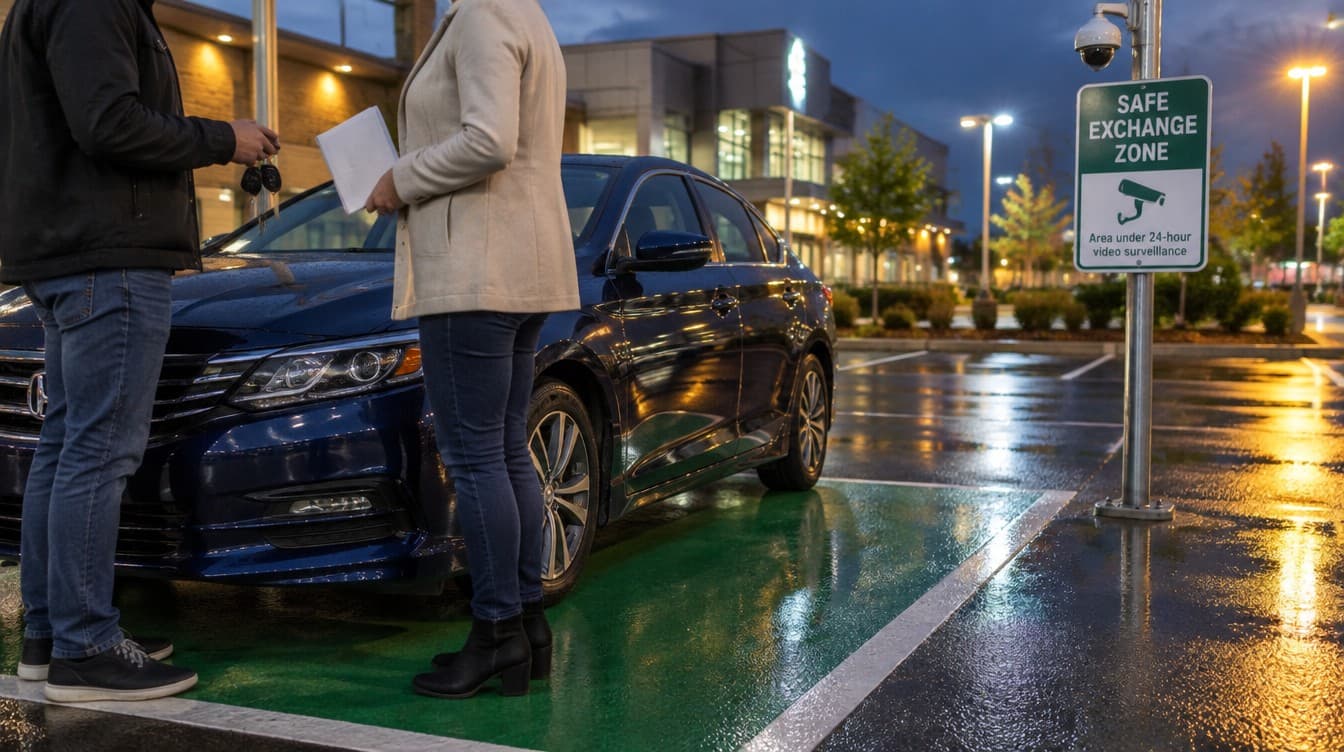
Real risks: payment fraud is the big one. Fake cashier's checks and reversed payment-app transfers are common enough that you should complete the transaction inside your bank, during business hours, with the funds confirmed before the title leaves your hand.
Option 4: Sell it outright to a dealer that buys online
Best when: you want dealer speed and paperwork handling, but you're not buying a car and the trade-in credit does nothing for you.
This is the option most people don't know exists, and it's the one we're built around. We buy cars directly from private owners in all 50 states, whether or not you buy anything from us. See where we buy cars, including Dallas, Fort Worth, Arlington and Plano.
The difference from a trade-in is that the offer is the whole transaction rather than one line inside a new-car deal. You get a real cash offer in about 2 minutes and finish the sale online. You're paid by wire or certified check when you sign, and pickup is free, 24–48 hours after you're paid. We handle the title transfer, and we pay off your loan if you still owe on it. If you owe more than our offer, you pay us the difference before we pay off your loan — our FAQ covers how the payoff works.
Your offer is based on your answers. If the details don't match, we may update or cancel the offer before you sign, so describe the car the way it really is. Some cars we ask to see in person before paying.
We buy clean-title cars that run and drive. We don't buy salvage or rebuilt titles, cars with major mechanical problems, or cars that don't run.
Compare our offer with the online offers you've collected, and take the better one.
Option 5: Consignment
Best when: the car is specialized, expensive, or slow-moving, and you want private-sale money without running the sale yourself.
A dealer lists and sells your car for you and takes a fee or a split. You get closer to retail than a wholesale offer, without doing the work — but you wait, you don't know the final number in advance, and the car sits somewhere else while it happens. For a normal commuter car the fee usually eats the advantage. For a niche vehicle that needs the right buyer to walk in, it can make sense.
Does it cost anything to find out what your car is worth?
No, and you should never pay for an appraisal. Get two or three free online offers and compare them; together they tell you almost everything you need to decide. Ours takes about 2 minutes, with no obligation and no selling fees.
Which option should you pick?
- Buying another car from the same dealer? Trade it in, and make them quote the trade separately from the sale. Still shopping? Browse our used cars.
- Just selling, and you want it done this week? Get online offers for a baseline, and take the best one you can finish online.
- Car is desirable and you have a month? Sell it privately, and do the closing at your bank.
- Car is unusual, expensive, or slow? Consider consignment.
- Car has a salvage or rebuilt title, a major mechanical problem, or doesn't run? Most online buyers, us included, won't make an offer. An auction or a salvage buyer is the realistic route.
Ready for a number on your car? Get a real cash offer in about 2 minutes or call us at (972) 945-5005. We buy cars whether or not you're buying one.
Frequently Asked Questions
- What's the fastest way to sell a car in Dallas–Fort Worth?
- Selling outright to a dealer is fastest, you can be done in an afternoon, and the dealer handles the title transfer and any lien payoff. Online instant offers produce a number in minutes but still require a verification appointment before you're paid. A private sale typically takes two to six weeks.
- Do I have to buy a car in order to sell my car to a dealer?
- A trade-in requires a purchase, but many independent dealers, including Maverick Motors in Lewisville, buy vehicles outright from private owners with no purchase attached.
- Does Texas give you a tax credit for trading in a car?
- es, but only when you trade the vehicle in as part of buying another one from the same dealer. Texas motor vehicle sales tax is 6.25%, and the trade-in allowance reduces the taxable amount, so you're taxed on the difference rather than the full purchase price. If you're only selling a car, the credit doesn't apply.
- Can CarMax or Carvana change the offer after you show up?
- Yes. CarMax states that its online offers are valid for seven days and that some offers are adjusted after verification if the vehicle's condition, use, or history differs from what was entered online. Every major instant-offer service reserves the same right at the store visit or at pickup, so treat the online number as a ceiling rather than a guaranteed price.
- What paperwork do I need to sell my car privately in Texas?
- You need a properly signed title showing the sale date and odometer reading, and a signed Application for Texas Title and/or Registration (Form 130-U) with the sales price. You must also file a Vehicle Transfer Notification with TxDMV within 30 days of the sale to protect yourself from liability for the buyer's tolls and tickets. Your license plates stay with you, not the car.
- Do I still need a vehicle inspection to sell a car in Texas?
- Texas ended annual safety inspections for non-commercial vehicles in January 2025, replaced by a $7.50 inspection program replacement fee. Emissions testing is still required in the DFW counties of Dallas, Tarrant, Collin, Denton, Ellis, Johnson, Kaufman, Parker, and Rockwall, and your buyer will need a current one to register the vehicle.