What documents do you need to sell your car?
For most sales, you need four things: the title (or your loan details if a lender holds it), your current registration, a photo ID for everyone listed on the title, and a way to get paid. Depending on your state and your situation, you may also need a bill of sale, an odometer disclosure, a lien release, or proof that you're allowed to sign for someone else.
The exact list changes based on who owns the car and whether money is still owed on it. Find your situation below.
Quick checklist: documents for every car sale
Have these ready no matter what:
- Title, or your lender's name and account number if the car is financed
- Current registration
- Valid photo ID for every person named on the title
- Odometer reading, written on the title or a separate disclosure form when required
- Bill of sale, if your state or the buyer requires one
- Spare keys and fobs, plus the owner's manual if you have it
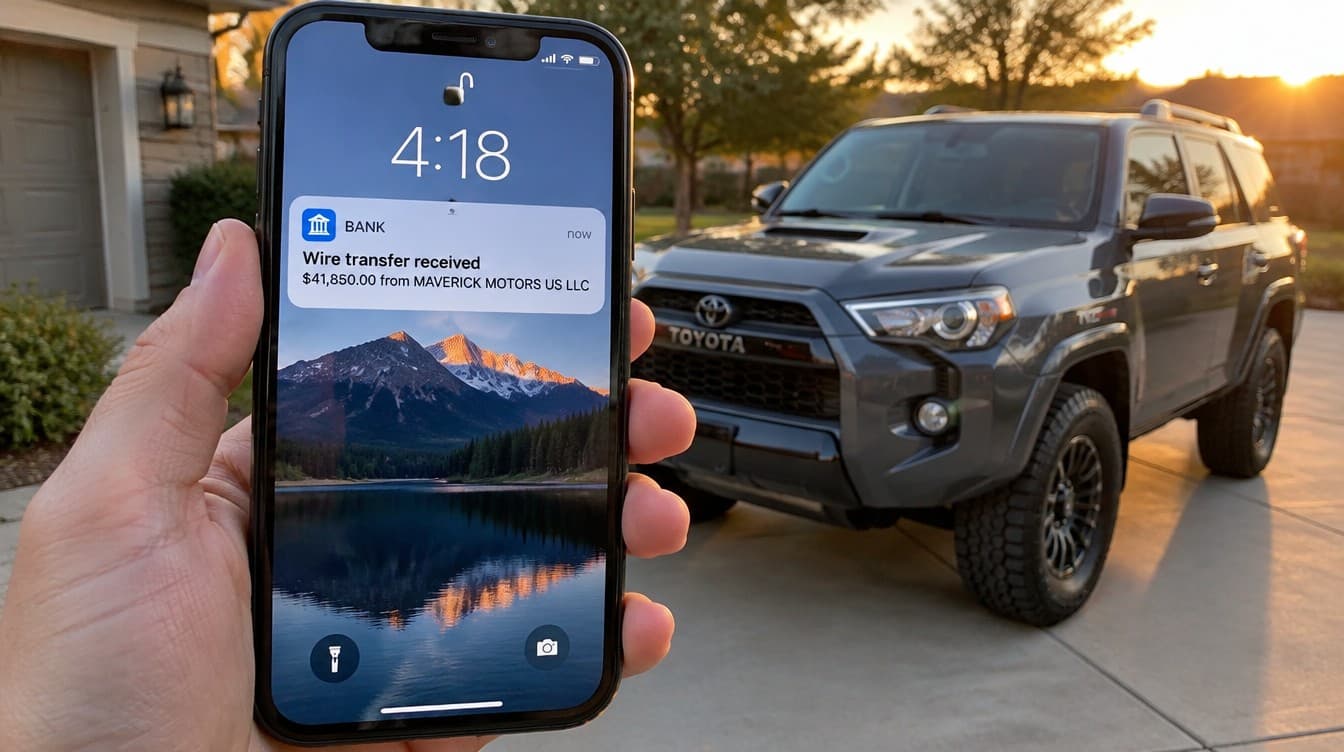
- Bank details if you're being paid by wire
Service records aren't required, but they can help a private buyer trust the car's history.
What do you need if your car is paid off?
You'll need the title in your name, with no lender listed as a lienholder. If your loan was paid off but the lender still shows on the title, you'll also need a lien release from that lender. Some states do this electronically, and others mail you a paper title or release letter.
When you sign the title over, write the odometer reading in the space provided. Federal rules require an odometer disclosure on every ownership transfer for model year 2011 and newer vehicles until they're 20 years old. Older cars are exempt.
Can't find your title? Request a duplicate from your state's motor vehicle agency before you sell. Most states let you apply online or by mail, but it can take a few weeks, so start early. We have step-by-step guides for Texas, Oklahoma, and Arkansas.
What do you need if you still have a loan?
You don't need the title, because your lender holds it (or keeps it electronically) until the loan is paid off. Instead, have:
- Your lender's name
- Your loan account number
- Your registration and photo ID
The buyer pays your lender directly, the lender releases the lien, and the title goes to the buyer. If the car is worth more than you owe, you're paid the difference. If it's worth less, you cover the gap.
Don't hand a buyer a payoff letter you printed yourself. A trustworthy buyer gets the payoff amount straight from your lender. Here's why that matters, and our full guide on how to sell a car you still owe money on.
What do you need to sell a leased car?
A leased car is owned by the leasing company, so selling it means the buyer is really buying out your lease. You'll need:
- Your leasing company's name and account number
- Your registration and photo ID
- Confirmation that your leasing company allows a third-party buyout
That last one is the big question. Some leasing companies let outside dealers buy out the lease. Others only allow you or one of their own dealers to do it. Call your leasing company before you shop for offers so you know where you stand.
What if there are two names on the title?
Look at how the names are joined.
- "AND" between names: in most states, every owner must sign the title to sell.
- "OR" between names: in many states, either owner can sign alone.
Rules vary by state, and many buyers ask for every owner's signature and ID either way. If one owner isn't available to sign, plan ahead. You may need a signed power of attorney from that person.
If you're getting paid by wire, expect the bank account to be in the name of at least one of the people on the title. Buyers check this to prevent fraud.
What do you need to sell a car owned by a business?
When the title is in a company's name, the person signing has to have the authority to sell company property. Have ready:
- The title in the business's name (or the business's loan details)
- Registration
- Photo ID for the person signing
- Proof that the signer is an owner or authorized officer of the business, if the buyer asks for it
- Business bank details for payment
Payment normally goes to a business account, not a personal one. That keeps the sale clean for your company's books and taxes.
What do you need to sell a car of someone who passed away?
You'll typically need the death certificate and the court or estate documents showing who has authority to sell, such as letters testamentary or letters of administration. Some states also have a simpler small-estate affidavit for vehicles. If there's still a loan, have the lender's name and account number. Check your state's rules, since this is the situation that varies most.
Do you need a bill of sale?
Some states require one and some don't. Even when it isn't required, a bill of sale is smart in a private sale. It should list:
- Buyer and seller names
- Year, make, model, and VIN
- Sale date and price
- Odometer reading
- Signatures from both parties
Dealers and car-buying companies create their own sale paperwork, so you usually won't need to bring one. Selling privately? Read our guide to car-selling scams and red flags first.
What should you do after you sell?
Your paperwork isn't done when the car leaves:
- File a release of liability or transfer notice. Most states have one, and the deadlines are short. California, for example, wants a Notice of Transfer and Release of Liability within 5 days. This protects you from tickets and tolls tied to the car.
- Remove your plates if your state keeps plates with the owner.
- Take off your toll tag and cancel it or move it to your next car.
- Cancel or move your insurance once the car is gone.
- Keep copies of everything you signed.
What documents does Maverick Motors need?
We keep it short, and almost everything happens online:
- Registration (required for every sale)
- Photos of your title, front and back, if the car is paid off
- Your lender's details if you have a loan. We get the payoff from your lender ourselves, so you never need a payoff letter.
- Identity verification online for everyone on the title. No driver's license photos to upload.
- Photos of your car, taken on your phone
- Bank details for your wire, in the name of someone on the title (or the business, for company-owned cars)
After you sign, we send you a power of attorney and a statement of fact. You mail those back with your title, and we handle the title transfer from there. Some states require the power of attorney to be notarized, and we'll tell you if yours does. If you have a loan, we chase your lender for the title so you don't have to.
Start with a firm cash offer in about 30 seconds. Get your Maverick Motors offer.
Frequently Asked Questions
- What documents do I need to sell my car?
- Usually the title (or your lender's details if the car is financed), your current registration, a photo ID for everyone on the title, and the odometer reading. Some states also require a bill of sale.
- Can I sell my car without the title?
- If a lender holds the title, yes. The buyer pays off the loan and the lender sends the title to them. If the car is paid off and you've lost the title, request a duplicate from your state's motor vehicle agency before you sell.
- Do both owners have to sign to sell a car?
- If the names on the title are joined by "and," every owner usually must sign. If they're joined by "or," many states let either owner sign alone. Rules vary by state, so check yours.
- Do I need a bill of sale to sell my car?
- It depends on your state. Even when it isn't required, a bill of sale is a good idea in a private sale. Dealers and car-buying companies provide their own sale paperwork.
- What should I do after I sell my car?
- File your state's release of liability or transfer notice, remove your plates if your state requires it, cancel your toll tag and insurance, and keep copies of everything you signed.